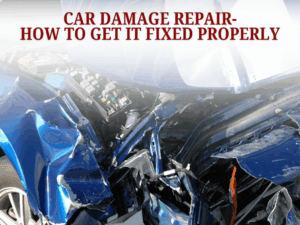

If your car has been in a minor crash, picked up a hard hit on the bumper, or shows signs of rippled metal along a panel, it is a clear sign it needs proper auto body work, not just a quick cosmetic fix. In most cases, impact damage affects how panels line up, how safely they perform in the next collision, and even how sensors and lights function. Knowing what happens in a professional auto body work process helps you understand timelines, costs, and what you should reasonably expect from a good body shop.
In this blog, you will get to know the full auto body work process step by step, understand what happens behind the shop doors, and the main factors that influence pricing.
When You Really Need Auto Body Work
Not every small mark requires professional auto body work, but certain types of damage should be handled by a body shop, not DIY kits.
- Moderate to deep dents, creases, and cracked bumpers usually signal a strong impact that may have shifted brackets, supports, or alignment points behind the surface.
- Misaligned doors, hoods, or trunk lids, uneven gaps, rubbing panels, or doors that close differently are all warning signs that go beyond simple paint damage and call for body work.
Step 1: Inspection, Estimate, and Repair Plan
Every proper auto body work job begins with a detailed inspection and a clear repair plan.
- Technicians visually inspect the damage, check panel gaps, and may look under the vehicle or behind trims to see how far the impact has travelled.
- Photos, notes, and measurements are taken to create a written estimate that lists which parts will be repaired, which must be replaced, and how long the body work is expected to take.
If insurance is involved, this estimate and repair plan are usually submitted for approval before major work begins, so you are not surprised later.
Step 2: Disassembly and Hidden Damage Check
Once you approve the estimate, the next phase of auto body work is careful disassembly of the affected area.
- Bumpers, lights, trim, inner liners, and sometimes interior panels are removed to expose supports, crash beams, and mounting points.
- This is when hidden damages like bent brackets, cracked mounts, rippled metal, or shifted structural points often show up and may require updates to the body work estimate.
Step 3: Structural and Alignment Corrections
If the impact has affected the car’s structure or alignment, this is where precision tools and measurements come in.
- Shops use measuring systems and, when needed, frame or body benches to bring the vehicle back to manufacturer specifications before cosmetic body work continues.
- Correct structure ensures proper wheel alignment, predictable handling, and doors, hoods, and trunks that open and close smoothly and seal correctly.
Step 4: Panel Repair, Replacement, and Shaping
With structure addressed, the focus of auto body work moves to panels and surfaces you actually see.
- Smaller dents may be repaired using paintless dent repair (PDR) if the paint is not cracked and the metal can be accessed from behind.
- Heavier damage is handled by reshaping metal or plastic, using fillers where necessary, or replacing panels like fenders, doors, bumpers, or quarter panels if they are beyond repair.
Step 5: Surface Preparation and Paint
Paint is often what you notice most, and it can make or break the final result of auto body work.
- Surfaces are sanded, filled, primed, and blocked to eliminate imperfections and rebuild smooth, even contours over repaired areas.
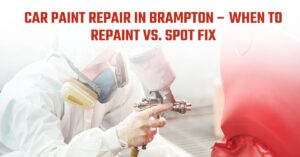
- Once prepared, the area is cleaned and masked, then moved to a controlled booth where base coat and clear coat are applied in multiple stages for professional body work results.
Color is carefully matched and often blended into adjacent panels so there are no harsh lines or noticeable shade differences when the car is viewed in sunlight.
Step 6: Reassembly, Detailing, and Final Quality Checks
After paint has cured, the auto body work process moves to reassembly and final inspection.
- Lights, sensors, grilles, trims, badges, and interior panels are reinstalled, followed by checks to ensure all electronics, safety systems, and moving parts work correctly.
- The shop inspects panel alignment, paint quality, reflections, and color match, and may perform a short road test if suspension or alignment were part of the auto body work.
Only after these checks should the vehicle be considered ready for delivery, not just visually good enough.
What Affects Auto Body Work Costs?
Even without exact numbers, understanding what drives auto body work pricing makes estimates easier to interpret.
- Severity and location of damage: Larger or deeper impacts, especially on corners or near structural areas, need more time and precision than small, flat-panel repairs.
- Parts choice: New OEM parts, aftermarket options, or used/reconditioned parts each come with different costs, warranties, and lifespan implications in auto body work.
Why Choose Auto Hut for Auto Body Work
When your car needs auto body work, choose Auto Hut – The Collision Repair Shop because we handle everything from start to finish with certified technicians who bring decades of experience to every repair. Our experts specialize in structural alignments, panel replacement, and flawless paint matching, which is why we confidently offer a lifetime warranty on our workmanship and use only OEM-quality parts for results that last.
We also make the process stress-free by supporting you through insurance claims. With long-term professional relationships with Ontario’s top auto insurance providers, we manage the claim process on your behalf efficiently, follow up to ensure swift processing, and help you receive the benefits you deserve without the hassle.
At Auto Hut, auto body work means precise, durable repairs backed by expertise you can trust, getting your car back on the road safely and looking sharp.