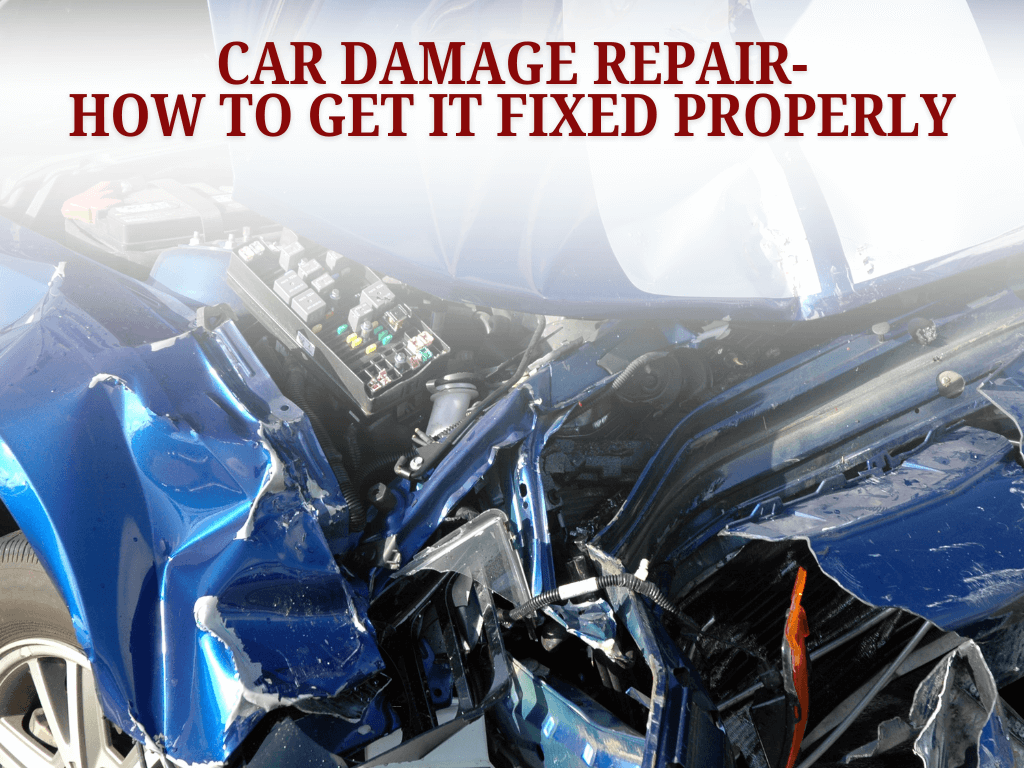
Whether it’s a parking lot scrape, minor fender bender, or deeper impact damage to your bumper, door, or quarter panel, car damage repair needs proper attention to restore both safety and performance to your vehicle. Impacts that look minor on the surface often shift underlying brackets, misalign panels, or weaken crumple zones, which is why professional damage repair addresses the full scope, not just what shows.
In this blog we will share with you all the details on the car damage repair process, from spotting when you need it, through each repair stage, to understanding realistic costs and timelines, so you know exactly what to expect and can make informed decisions about your vehicle.
At Auto Hut, we pride ourselves on transparent service and a lifetime workmanship warranty that gives you total peace of mind.
Types of Car Damage That Need Professional Repair
Minor surface scratches might buff out, but most car damage repair situations involve impacts that go beyond DIY fixes.
Deep dents, crumpled bumpers, or creased doors signal force strong enough to shift underlying supports or brackets. Cracked lights, misaligned hoods, or uneven panel gaps point to frame or alignment issues that require precision car damage repair to restore safe handling.
Rust starting around wheel wells, rockers, or lower doors also demands car damage repair, as corrosion spreads fast and compromises metal strength. Even if the car drives fine, ignoring these signs risks bigger problems and higher costs down the road.
Step 1: Assessment and Repair Planning
Quality damage repair always begins with a thorough inspection that uncovers both obvious and hidden damage.
Technicians check panel alignment, undercarriage components, suspension mounts, and safety systems like crumple zones. They document everything with photos and measurements to create a detailed repair plan and estimate covering parts, labor, and timeline.
For insurance claims, this assessment becomes the blueprint submitted for approval. A transparent car damage repair estimate spells out what gets repaired versus replaced, so no surprises hit later.
Step 2: Disassembly Reveals the Full Picture
With the plan approved, disassembly exposes what surface views miss in car damage repair.
Bumpers, grilles, lights, fenders, and interior trim come off to reveal bent brackets, cracked welds, or stretched metal. This stage often uncovers supplemental damage, like ripples away from the main impact, that updates the car damage repair scope and cost.
Skipping proper disassembly leads to incomplete fixes where hidden issues cause rattles, poor fitment, or safety failures over time.
Step 3: Structural Straightening and Frame Work
When damage affects the car’s core structure, car damage repair prioritizes pulling the frame or unibody back to factory specs.
Modern shops use laser measuring systems and hydraulic frame benches for controlled, precise corrections. This ensures wheels track straight, doors seal tight, and crash protection systems remain effective.
Proper structural car damage repair might not show visually but forms the foundation, get this wrong, and no amount of paint hides the handling problems.
Step 4: Panel Work and Body Shaping
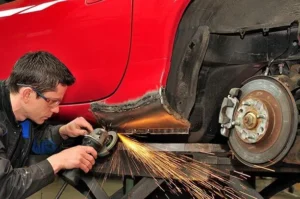
Paintless dent repair (PDR) handles smaller dents without refinishing if paint stays intact. Larger creases get reshaped with specialized tools, body filler for contour, or full panel replacement for irreparable sections like quarter panels or doors.
Skilled shaping restores original curves and lines, setting up even gaps and flush fitment that mark professional car damage repair.
Step 5: Prep, Paint, and Blending
Paint transforms car damage repair from functional to finished, but only with meticulous preparation.
Sanded surfaces receive primer, guide coat, and blocking to eliminate waves or high spots. Cleaned and masked areas move to a dust-free booth for base coat color matching, followed by multiple clear coats for depth and protection.
Blending into adjacent panels ensures no hard edges or color shifts show in sunlight, completing high-quality.
Step 6: Reassembly and Final Checks
Reassembly in car damage reverses disassembly with precision.
Components like sensors, cameras, lights, and ADAS systems go back in place, often requiring recalibration for proper function. Final inspections verify alignment, paint uniformity, and mechanical operation, sometimes including a test drive.
Only after passing these checks does car damage repair conclude, rushed reassembly leads to rattles, warning lights, or rubbing panels.
Cost Factors and Realistic Timelines
Car damage repair costs depend on damage extent, parts choice, and shop efficiency.
Minor single-panel work runs lower, while structural jobs with multiple replacements climb higher. OEM parts cost more than aftermarket parts but match factory specs better. Labor reflects disassembly time, paint blending scope, and any alignments or calibrations.
Timelines range from days for cosmetics to 1-3 weeks for complex damage repair, influenced by parts availability and shop workload. Upfront estimates and status updates keep expectations aligned.
Why Choose Auto Hut for Car Damage Repair
When your car needs damage repair, Auto Hut delivers complete repairs handled by certified technicians with decades of experience across all makes and models. Our experts specialize in structural alignments, precise panel work, and factory-level paint finishes, backed by a lifetime warranty on workmanship and exclusive use of OEM-quality parts.
We take the hassle out of insurance by leveraging long-term relationships with Ontario’s top auto insurance providers. Our team processes claims on your behalf efficiently, follows up relentlessly, and ensures you receive every benefit you’re entitled to.
Restore Your Ride with Brampton’s Experts
When it comes to collision repair, you need a team that combines precision with speed. Auto Hut – The Collision Repair Shop, located at 220 Rutherford Rd S, Brampton, specializes in high-quality restoration using state-of-the-art technology. From minor dents to major structural work, our certified technicians ensure your vehicle looks and performs like new. We take the stress out of the process with direct insurance billing and a commitment to excellence you can trust.