Driving a car in winter can be a lot different than in the summer. You need to get prepared and maintain your car before winter shows up and hit the car hard. During cold days its necessary to give your car extra care to extend its life and kept it going in long wintertime. Here are our tips on how you can take care of your car during the winter season.
Consider getting winter tires

If you live in the area where most of the time land is covered with snow, you should switch from regular all-season tires to snow tires. Snow tires are made of a softer compound and they contain more rubber than summer tires and all-season tires. Unlike the hard hockey puck that would slide over ice, your flexible winter tires bend and grip snow like the soles of a winter boot. They also contain silica, which is like sand and gives the rubber a biting edge on slippery snow. Not only snow tires keep you safer during winter but also save you money in the long run. Summer tires wear faster on icy roads in winter.
Check the oil
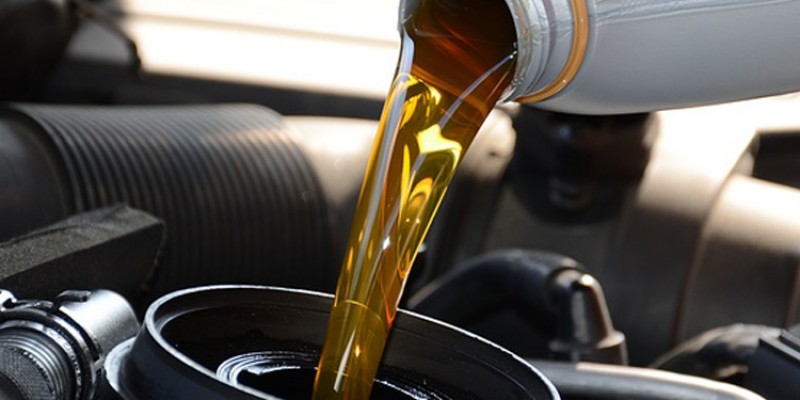
Winter is a danger to your car engine too. Motor oil starts thickening in the winter time, making it hard for the engine to continue to run properly. Before checking over the internet that what type of oil you should use, check the manufacturer’s recommendation. Generally, you should be using multi-viscosity oil that has a “W” in the viscosity index, signifying that it’s formulated for winter use. Typically the formulas that are recommended for modern engines include 5W-30, and 10W-30, which provides good oil flow at low temperatures. While checking and changing oil, replace the filters to make sure that the system has maximum oil flow.
While the car in the repair shop, make sure have the radiator and heater hoses checked for cracks, leaks or contamination from oil or grease. The hoses should be firm yet flexible when you squeeze them.
Check the battery
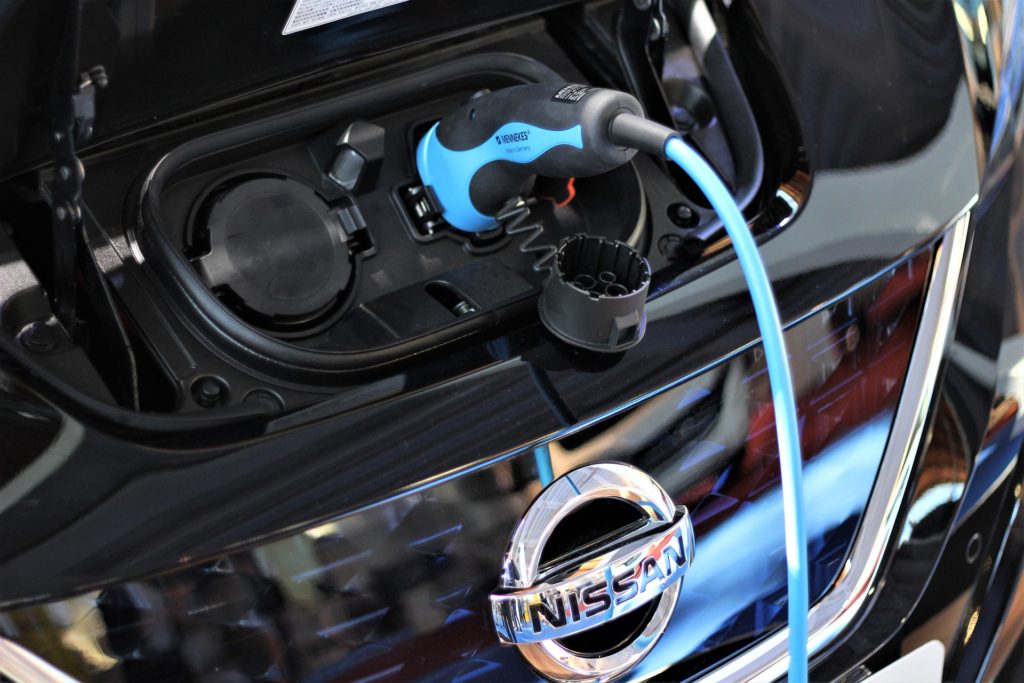
Cold weather gives a hard time to your car battery. A fully charged lead-acid battery has only half its rated amp-hour capacity at 0 degrees F. And on the other hands, during winter your engine requires more current from the battery in order to get the engine started. With more power requirement but generating less power output your car could not able to start on a cold winter morning. You can check your car battery by yourself and if the fluid is low, and add distilled water or get your battery tested professionally at a service station, auto parts store, or repair shop. A mechanic will check if you need to replace a battery or not. Even if you don’t he will check for and clean up any corrosion he finds on your posts and connections. But if it is defective or just worn out, it’s best to replace it before it goes completely dead during cold weather.
Check your anti-freeze mixture
Checking your vehicle’s antifreeze level during the cold winter months is a simple and inexpensive way to make sure your car won’t leave you stranded halfway. Antifreeze is important because it is used to cool the car’s engine and on other hand protect it from freezing in cold weather. It also act as the key player in providing heat inside the car’s cabin.
The mixture of antifreeze and distilled water in your radiator should be 50:50. This will prevent your coolant to freeze in radiator. If you want to check the composition of your radiator’s fluid, you can pick any inexpensive antifreeze ball tester from your local store.
Check your belts and hoses
If your vehicle has a timing belt, it’s very important to replace it at the recommended interval(60,000 miles or more). Cold weather can shorten life expectancy of belts and hoses, so make sure yours are in good shape before getting on the road. Check your owner’s manual to check when the timing belt should be replaced. A broken belt can leave you stranded and you will have to wait for tow truck to come pick you up.
Clear the windows
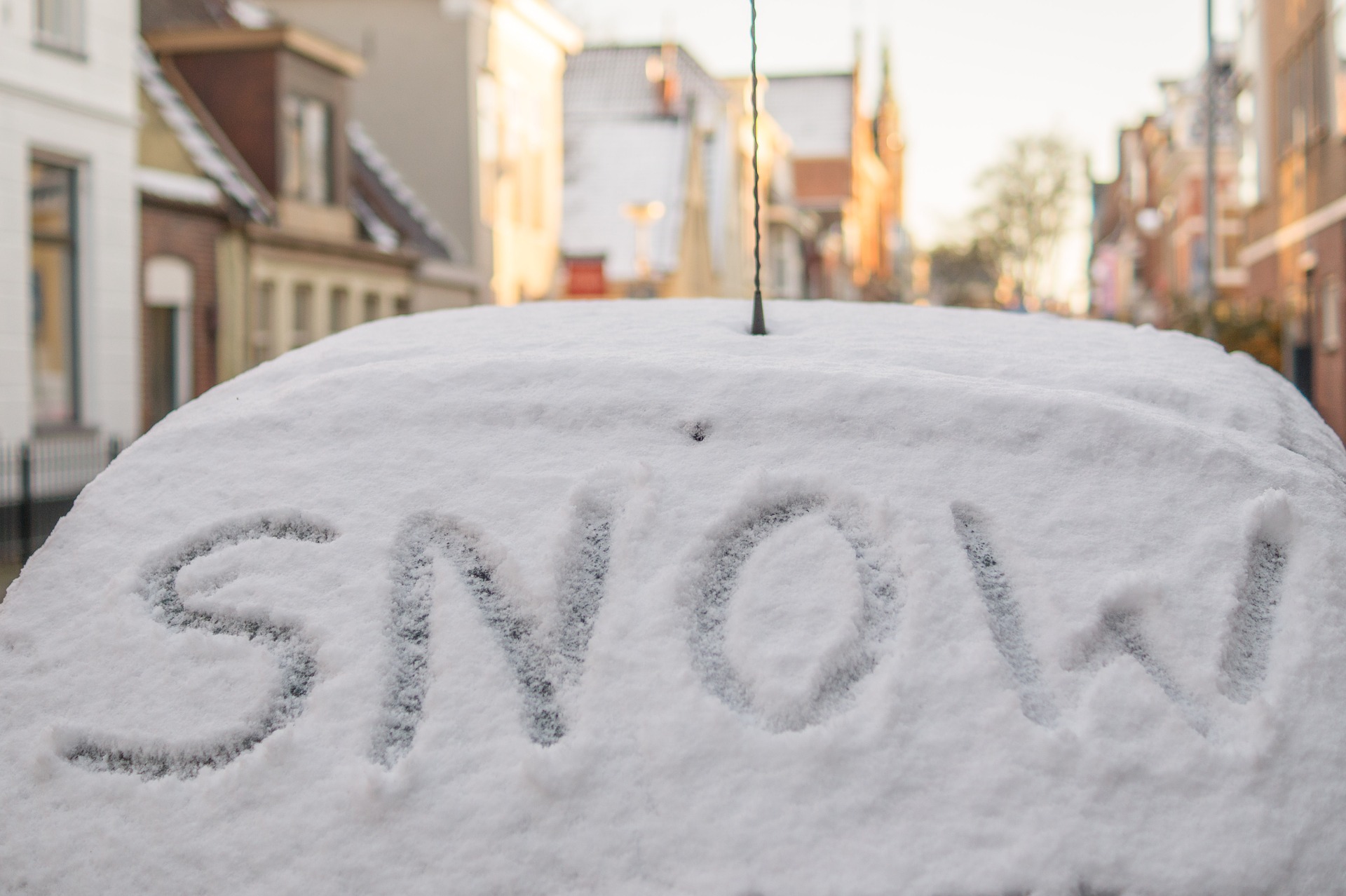
If you never clean your snow-covered windows, you are a danger to yourself and to everyone around. Don’t try to clear build-up snow with those wipers instead use an ice-scraper. You can turn on heat and defroster to help you to clear the snow off your windows more effectively. If you parked your car outside then make sure to keep your wipers in raised position to prevent it from freezing to the windshield due to overnight snow. And check all lights are functioning properly and lenses are clean to enhance your visibility while driving at night time.
Check your tire pressure
If you don’t want to replace your regular tires with snow tires, at least keep them properly inflated during cold weather. Winter causes air pressure in your tires to drop. Tire pressure can decrease about 1 PSI (Pound per square inch) for every 10 degrees the temperature drops. It’s not that more air is escaping your tires, but rather the air inside the tire condenses, taking up less space when it’s cold.
If still after taking so much care of your car, unfortunate happens and you left stranded on road, you can call our 24/7 towing service (416)566-9191 for help or book an appointment for any accidental damage to your car.